Do Music Reviews Even Matter Anymore?
From one-listen reviews to polarizing scores, music criticism has traded patience for speed, leaving artists and audiences wondering how music is even measured today.
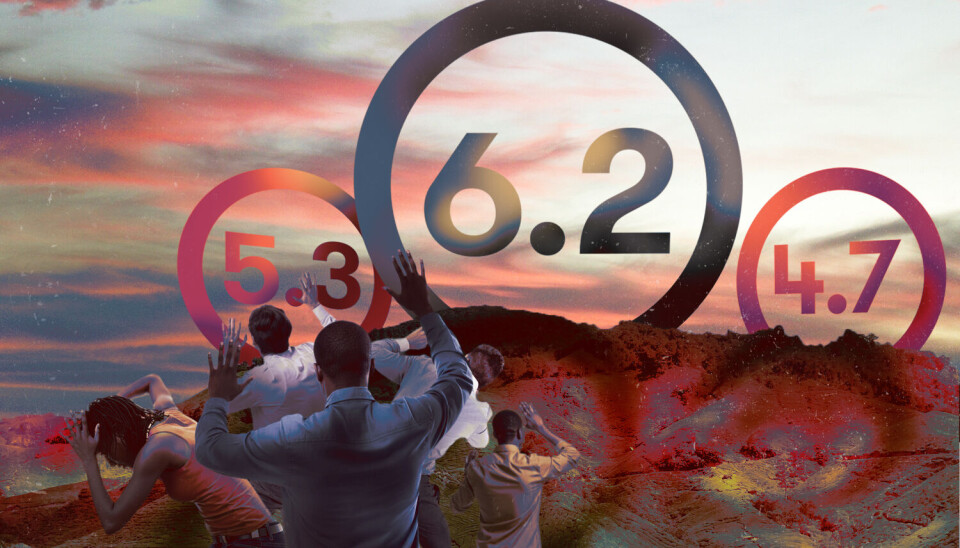
Photo illustration by Jefferson Harris for Okayplayer.
Once upon a time, music critics were like NFL referees. There was a mystique to their identity and their authority mattered much more than their personalities. They weren’t meant to be the stars of the show; instead, their role was to be impartial and objective, mostly invisible to the audience. Some writers even utilized pseudonyms to ensure their identity was kept in the tuck. For example, Miss Info — the writer responsible for giving Nas’ Illmatic its acclaimed five-mic review — first appeared in The Source using the byline “Shortie.” While this level of anonymity was either out of respect for the artists or a presumed fear of repercussions (whether lyrical or physical), hip-hop critics kept a low profile and let the music be the focal point.
That veil has mostly disappeared, however, and somewhere down the line, reviews became a form of clout-centric currency. Due to the rise of streaming and ease of accessibility, reviewers no longer sit with an album weeks ahead of its widespread release, allowing it to digest and resonate. Reviews, in essence, have turned into a pseudo-critical “think piece” lacking any form of objectivity, which leaves us scratching our collective heads. A 5-Mic rating in The Source or an XXL score was once considered a badge of honor, a stamp of excellence that could launch a career and/or cement a legacy. Music reviews weren’t simple reactions to music, they were industry benchmarks. Artists would chase ratings, frequently reference them during interviews and/or on wax, and fans in kind would defend their favorites in the same way native New Yorkers blindly defend the Knicks. Music critics were, in some ways, as crucial to hip-hop as the DJ. They made or broke records and introduced audiences to new artists, yet largely remained behind the scenes.
Yet as time progressed, it seemed that those standards were constantly shifting.
Once the digital age collapsed the distance between the critic and the consumer, accuracy and insight gave way to urgency — being fast, first, and loud. This new era gave birth to things like the “one-listen album review,” where reviewers made a mad dash to publish their thoughts within minutes of an album’s release. Where a reviewer once sat with a project and allowed it to marinate, absorbing its many layers from lyrical cadence to production, before putting together a thoughtful and thought-provoking analysis, the goal became to beat Twitter to the punch.
In the rush for visibility, neutrality and objectivity became an afterthought. Critics repositioned their approach, sometimes leaning into shock value or chasing virality. Distinct score disparities have highlighted these shifts. In 2011, Jay-Z and Kanye West’s Watch the Throne — one of the most highly anticipated albums of its era — earned a deserved 8.5 from Pitchfork. Clipse’s critically-acclaimed Let God Sort ’Em Out landed at a paltry 6.5, while Sexyy Red’s Hottest Hood Princess pulled an 8.0 two years prior. These aren’t apples-to-apples comparisons, but they do raise questions about whether these albums are being judged on artistic merit, cultural significance, or personal resonance.
We’re seeing this play out with Cardi B’s long-awaited Am I the Drama?. The album was greeted with polarized reviews, with some praising its confidence, vulnerability and star power, while others decrying its lack of cohesion and over-reliance on features. This disparity underscores how critics often come to hip-hop projects with different yardsticks. For some, Cardi’s cultural presence and hit-making ability elevate the record. But for others, her commercial visibility works against her, as if mainstream success disqualifies her from critical legitimacy. Once again, the question remains: what exactly are we measuring?
Another glaring problem is that some critics come from outside the cultural contexts of the music they’re reviewing. While that doesn’t make their perspectives invalid, it does mean that certain nuances may not be understood the same way: cultural staples, traditions, and norms in Southern California won’t make sense to a critic from a nondescript part of South Carolina. Slang, regional sound and cultural references can be misunderstood or overlooked, resulting in reviews that feel disconnected from the artist’s world. What was once a fixture of authority has now become harder to trust. Whereas reviews once served as touchstones of credibility, they now feel closer to influencer content, driving clickbait and debates more than they deepen our understanding of the music.
Music criticism doesn’t have to be neutral. It can and should be argued that art itself is subjective, but it should be thoughtful, informed and grounded in cultural context. When reviews prioritize speed or spectacle, however, everybody loses. The role of the critic has always been to add clarity, not additional noise. Today’s critics need to restore that trust by writing with patience, perspective and care. Because if reviews are only designed for virality, they’ll fade as quickly as a trending topic. And hip-hop, at the very least, deserves more than that.